Hiring a general contractor is one of the most important decisions you'll make for your home renovation. The right contractor delivers quality work, stays on budget, and communicates clearly. The wrong one? Cost overruns, delays, poor quality, and stress. Let's ensure you choose wisely.
What Makes a Reliable General Contractor?
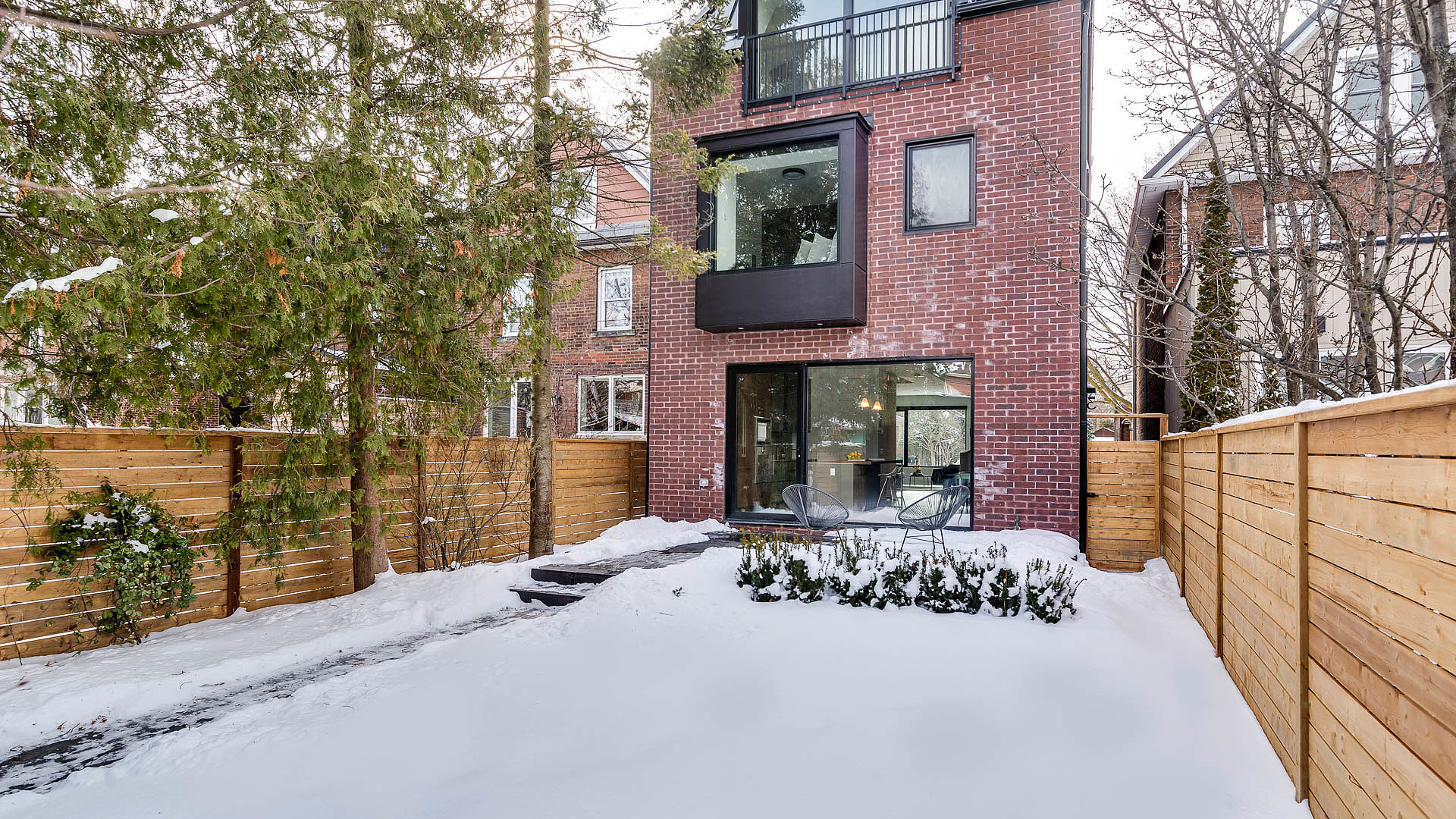
A trustworthy contractor has these fundamentals:
- Proper Licensing: Licensed to operate in Ontario
- Insurance: Liability insurance and WSIB coverage
- Experience: Track record of similar projects
- Clear Communication: Responsive and transparent
- Professional Contracts: Written agreements with terms and timelines
- References: Happy past clients who can verify their work
The Non-Negotiables: Licensing, Insurance & WSIB
Licensing
In Ontario, contractors must meet certain requirements depending on the scope of work. Always ask for proof of:
- Valid business license (municipal)
- Trade-specific licenses or certifications (for licensed trades like electrical, plumbing)
- WSIB account confirmation (if they have employees)
Insurance
Your contractor must have comprehensive general liability insurance. This protects you if:
- Someone is injured on your property
- Property damage occurs during the project
- Subcontractors cause damage or injury
Always ask to see a Certificate of Insurance before work begins. Don't accept verbal assurances—see the document. The coverage amount should be appropriate for your project scope.
WSIB (Workplace Safety and Insurance Board)
WSIB coverage is required if the contractor employs workers. They'll have a WSIB account number. This ensures that workers are properly covered and project safety standards are met. Contractors should be able to provide WSIB confirmation.
Ask: "Can I see your WSIB account confirmation?" Established contractors have this readily available.
Questions to Ask Every Contractor
About Experience
- "How many projects like mine have you completed?"
- "How long have you been in business?"
- "Do you specialize in any particular type of renovation?"
- "Can you provide references from similar projects?"
About the Project
- "What's your proposed timeline?"
- "How will you handle changes or unexpected issues?"
- "Who will manage the project day-to-day?"
- "How do you handle permits? Will you apply for them?"
About Communication
- "How often will you update me on progress?"
- "What's the best way to reach you if I have questions?"
- "Will the same person be my contact throughout the project?"
About the Contract
- "What does your contract include?"
- "What are your payment terms?"
- "What happens if the project goes over budget?"
- "What's your warranty on the work?"
Red Flags to Avoid
Demands cash only: Reputable contractors accept checks or transfers for tracking and accountability.
No written contract: A handshake deal is a recipe for disputes. Always get everything in writing.
Won't provide references: "You can trust me" isn't good enough. References are basic due diligence.
Can't show insurance/WSIB: No exceptions. This is a deal-breaker.
Pressure to pay upfront: Small deposits (10–20%) are normal. Paying the full amount upfront is risky.
Vague timeline or estimate: "It'll be done when it's done" is a red flag. Timelines protect both parties.
Uses high-pressure sales tactics: "This deal expires today!" is a manipulation tactic. Real contractors let you think it through.
No business address: They should have a legitimate business location, not just a cell phone.
Evaluating Contractor Quotes
Get Multiple Bids
Always get at least 3 estimates. This gives you perspective on market rates and helps you identify outliers. If one quote is significantly lower, ask why. Sometimes it means:
- They're cutting corners on quality
- They've overlooked scope items
- They're desperate for work (risky)
Compare Apples to Apples
Detailed quotes should include:
- Itemized labor and materials
- Timeline with start and end dates
- Scope of work (what's included, what's not)
- Permit costs
- Warranty terms
- Payment schedule
If one quote lacks detail, that's a problem. Ask questions until you fully understand what you're paying for.
Don't Choose Based on Price Alone
The cheapest quote often leads to problems. You're paying for:
- Quality materials
- Skilled workers
- Project management
- Accountability and warranties
- Peace of mind
A mid-range quote from an experienced contractor is usually better than a rock-bottom bid from someone unproven.
Check References (Seriously, Do This)
When a contractor gives you references, actually call them. Ask:
- "Were they on time and on budget?"
- "How was their communication?"
- "Did they clean up after themselves?"
- "Would you hire them again?"
- "Any issues after the project was complete?"
Ask for recent references (last 1–2 years). People's memories fade, and contractors' standards may have changed. Also, if they won't provide references, that's a major red flag.
The Importance of a Written Contract
Never start work without a signed contract. It should include:
- Project scope: Exactly what work will be done
- Timeline: Start date, milestones, and completion date
- Budget: Total cost and payment schedule
- Changes process: How change orders are handled
- Warranty: How long work is guaranteed
- Permits: Who's responsible for applying and paying
- Insurance: Proof of contractor's coverage
A good contract protects both you and the contractor. It clarifies expectations and prevents disputes.
Communication During the Project
Once work begins, maintain clear communication:
- Weekly check-ins: Schedule regular updates
- Document everything: Take photos, keep records of discussions
- Address issues immediately: Don't let small problems snowball
- Agree on changes in writing: Change orders protect everyone
- Stay reasonable: Contractors appreciate clients who respect their expertise and timeline
Red Flags During the Project
Watch for these warning signs:
- Workers showing up irregularly or for short periods
- Lack of proper safety equipment or cleanliness
- Reluctance to explain work or show progress
- Requests for extra money before agreed-upon milestones
- Subcontractors who lack proper credentials
Why Morrabuilt Group Stands Apart
We understand this decision is important. Here's how we've built trust across Durham Region and the GTA:
- Licensed and Insured: Full documentation always available
- WSIB Compliant: All workers properly covered
- Established Track Record: Extensive experience with local projects
- Clear Communication: You have a dedicated project manager
- Written Contracts: Everything transparent and documented
- Professional Project Management: We respect your timeline and investment
- Client References: Satisfied clients available to discuss their projects
- Warranty on Work: We stand behind our projects
We handle permits, manage subcontractors, solve problems, and communicate regularly. You get one point of contact who cares about your project's success.
Related Articles
Disclaimer: This article is for general informational purposes only and does not constitute legal, financial, or professional advice. Building codes, permit requirements, zoning bylaws, and costs vary by municipality and project. Always consult qualified professionals — including licensed contractors, engineers, lawyers, and financial advisors — for guidance specific to your situation.
Ready to Hire the Right Contractor?
Morrabuilt Group is here to talk through your project, answer your questions, and provide a detailed, transparent estimate. Let's build something great together.